

Uttarakhand, India
Valley of Flowers
High-altitude national park in the Himalayas; opens roughly Jun–Oct with peak alpine bloom in late July to mid-August.
The Valley of Flowers is currently not in bloom, as it is outside the usual flowering season. Recent weather shows cool temperatures around 7.8°C with moderate rainfall over the past month. If you plan to visit this week, be prepared for limited floral views and focus more on the trekking experience.
Confidence: 85%
Weather
7-day forecast☀️ Sun & Daylight
today🌅 Sunrise
06:14 AM
🌇 Sunset
05:38 PM
📸 Golden hour
05:08 PM
⏱️ Daylight
11h 24m
Dawn 05:51 AM · Dusk 06:01 PM · Critical for ADV rides — avoid mountain roads after dusk.

🧭 Travel guide — Ghangaria
Ghangaria is a village at 3,100 m in the Garhwal region of Uttarakhand state in Himalayan North, India. It is the gateway aka base camp for hikes into the Valley of Flowers and the Hemkunt pilgrimage site.
Read full article →
📖 About — Valley of Flowers National Park
Valley of Flowers National Park is an Indian national park which was established in 1982. It is located in Chamoli in the state of Uttarakhand and is known for its meadows of endemic alpine flowers and the variety of flora. This richly diverse area is also home to rare and endangered animals, including the Asiatic black bear, snow leopard, musk deer, brown bear, red fox and blue sheep. Birds found in the park include Himalayan monal pheasant and other high-altitude birds. At 3,352 to 3,658 meters above sea level, the gentle landscape of the Valley of Flowers National Park complements the rugged mountain wilderness of Nanda Devi National Park to the east. Together, they encompass a unique transition zone between the mountain ranges of the Zanskar and Great Himalayas. The park stretches over 87.50 km2 and is about 8 km long and 2 km wide. It lies completely in the temperate alpine zone. Both parks are encompassed in the Nanda Devi Biosphere Reserve (223,674 ha) which is further surrounded by a buffer zone (5,148.57 km2). Nanda Devi National Park Reserve is in the UNESCO World Network of Biosphere Reserves. The park is open only during summer from June to October and is covered by heavy snow for the rest of the year.
Read full article →📷 Photos nearby(12)


.jpg)


.jpg)
.jpg)
.jpg)
.jpg)


Click any photo for full size and licensing info.
Recent news
No news coverage in the last 60 days — this destination doesn't get much press right now.
Recent videos

🌸 Valley of Flowers in June | Epic Road Trip with Friends 🏔️ | Uttarakhand Travel Vlog
Shivani Diaries · 5 mo ago
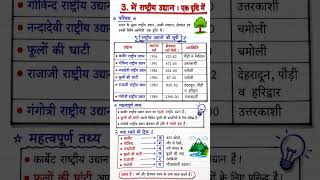
उत्तराखंड में राष्ट्रीय उद्यान, national park of Uttarakhand,Uttarakhand gk , Uttarakhand gk 2026
Education with sushma · 5 mo ago

Valley of Flowers National Park Opens to Tourists | 2026
Exam Bytes · 5 mo ago

This Place Exists in India? 😱🌸#shorts #viralshorts #uttarakhand #subscribe #travelindia
GyanShots · 5 mo ago

Valley of Flowers | National Park | Officially opened for 2026 season | Uttrakhand
Travel by Road.. Ys · 5 mo ago

🌸 Valley of Flowers Is Taking Over the Internet 🔥
Living the moment -17 · 5 mo ago
💬 Community mentions
Trip Stories
0 storiesNo trip stories yet for this destination.
Be the first to share your experience!